
What are indoor air quality problems?
Indoor air problems and indoor air symptoms
When discussing indoor air problems, the first things that come to mind are moldy schools, sinus infections, asthma, and other more serious phenomena. However, indoor air problems manifest in everyday matters, and in any case, the first signs of poor indoor air are harder to notice. This is because indoor air problems are easy to overlook amidst other life issues, and they are also difficult to distinguish from each other. Humans get used to their own indoor air in about 10 minutes, and the same goes for symptoms.
Indoor air quality effects
Good indoor air quality reduces illness, increases comfort, and improves work performance. Poor indoor air quality increases symptoms and morbidity. A person's health status, age, sensitization, quality, magnitude, and duration of exposure, etc., affect the risk of developing health hazards.
Indoor air quality has both health and economic impacts. Ventilation has a significant impact on indoor air quality. The function of ventilation is to bring clean air into spaces and remove gaseous or particulate pollutants from them.

How can I notice an indoor air quality problem?
An indoor air quality test is the most reliable way to determine air quality. You can also notice problems with ventilation from these practical signs.
Indoor air problems include:
- Veto
- Low room temperature
- High room temperature
- Fluctuating room temperature
- Cold floor
- Dry air
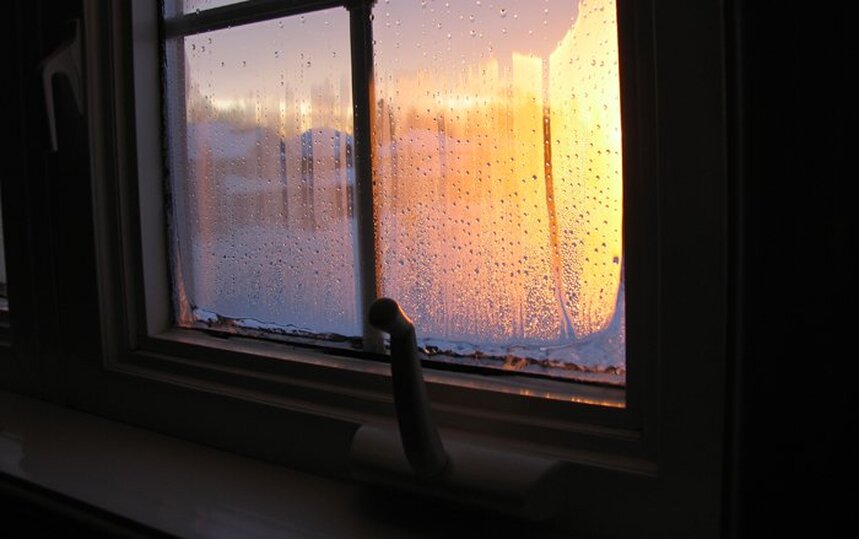
- Moisture condensing on surfaces (including window fogging)
- Muddiness
- Unpleasant smell
- Smells from other apartments and spaces
- Melu
Indoor air problems cause indoor air symptoms
Indoor air quality affects people's well-being, health, and productivity. The quality and concentration of the exposure, as well as the duration of exposure, influence the development of health hazards. Symptoms caused by indoor air problems can have several causes, such as inadequate ventilation. Symptoms caused by inadequate ventilation are often difficult to diagnose because the symptoms appear gradually and are not always associated with poor air quality.
Health effects caused by indoor air include:
Various symptoms
- Allergy symptoms
- Symptoms of irritation of the eyes, nose, throat, or pharynx
- Nasal dryness, congestion, or runny nose
- Headache and nausea
- Fatigue
Diseases
- Respiratory tract infections
- Allergic rhinitis, asthma, and conjunctivitis
- Lung cancer
- Home dust lung and other lung diseases
Nuisance
- Haju
- Melu
Prevalence of indoor air problems
The most common indoor air quality problems in buildings relate to thermal conditions, air quality, ventilation, and moisture damage. People quickly get used to and adapt to their living environment. For this reason, investigating air quality with an indoor air measurement is important. Indoor air measurement is an easy and hassle-free way to determine the adequacy of ventilation.
Fresh. provides its customers with the opportunity to measure their own indoor air for free. You can borrow Fresh. the award-winning Airthings indoor air monitor and the monitor is circulated around the living rooms while you live normally at home. The measurement does not require the presence of a professional.
Once the measurement is complete, a trained indoor air expert from Freshin will visit to review the measurement results together with the residents. You will receive a comprehensive analysis of your indoor climate, as well as a quote for ventilation suitable for your home, if needed.
 Finnish
 English
 Swedish
 Spanish